The world of quilting is a fascinating one, filled with creativity, precision, and a touch of math. One topic that routinely surfaces among quilting enthusiasts is the concept of fat quarters. As an essential component in the crafting of quilts, understanding how many fat quarters in a yard is crucial for planning and executing a quilting project. This practical question is not just about numbers; it’s about ensuring you have the right materials to bring your artistic vision to life.
For those new to quilting or even seasoned veterans grappling with fabric measurements, a guide to how many fat quarters in a yard offers a clear perspective. Understanding fat quarters involves more than just knowing their size; it’s about recognizing how they fit into the larger tapestry of quilting projects. A standard yard of fabric, typically measuring 36 inches in length and 44 inches in width, can be divided into four equal fat quarters. Each fat quarter measures approximately 18 by 22 inches, providing a versatile piece of fabric that can be used in various patterns and designs.
What Makes Fat Quarters Special?
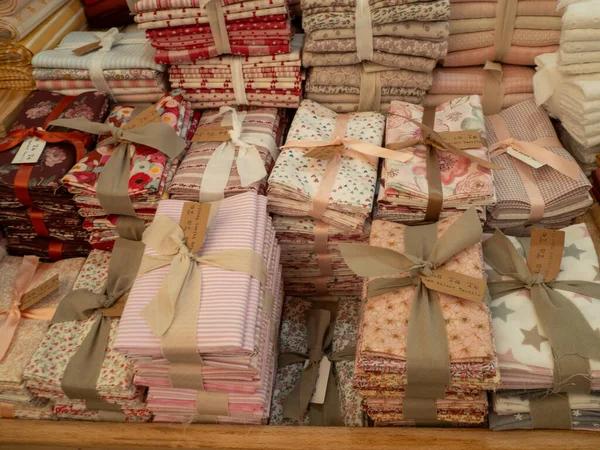
Fat quarters are a staple in quilting for several reasons. Their size makes them perfect for small projects or for adding variety to larger quilts without the need for extensive cutting or waste. The 18 by 22-inch dimension offers quilters a piece of fabric that is both manageable and adaptable, making it easier to experiment with different textures and colors. This is particularly important when working with specialty fabrics like flannel fat quarters or batik fat quarters, which can add unique visual and tactile elements to a quilt.
How Many Fat Quarters to Make a Quilt?
The number of fat quarters required to make a quilt depends on the quilt’s size and design complexity. For instance, a simple baby quilt might need as few as 12 fat quarters, while a larger queen-size quilt could require upwards of 30. The versatility of fat quarters allows quilters to mix and match patterns, colors, and textures, creating a personalized and intricate design. When planning a quilt, it’s important to calculate the total fabric needed and determine how fat quarters can fit into that requirement.
Specialty Fabrics: Flannel and Batik
Flannel fat quarters bring a cozy, warm feel to quilts, making them ideal for projects intended for cooler climates or seasons. Their soft texture and warmth make flannel an appealing choice for baby quilts or comforters. On the other hand, batik fat quarters are celebrated for their vibrant colors and unique patterns. These hand-dyed fabrics can add an exotic and artistic flair to any quilt, making them a favorite among those looking to create a statement piece.
What to Keep in Mind Next
When diving into your next quilting project, keep in mind the flexibility and utility of fat quarters. They offer a balance between creativity and practicality, providing quilters with the ability to craft stunning designs without unnecessary waste. Whether you’re using traditional cotton, cozy flannel, or artistic batik, understanding the role of fat quarters in your project is essential. Happy quilting!